
If you're looking at cbd topical oil because a knee, hand, shoulder, or irritated patch of skin keeps demanding attention, the hardest part is often sorting signal from marketing. Labels promise relief. Product names blur together. One jar says “full spectrum,” another says “isolate,” and a third looks identical but behaves very differently on the skin.
A careful approach helps. Topicals are a separate category from tinctures, gummies, and inhaled products because they work at the skin level first. That difference matters for comfort, safety, and expectations. It also matters if you're comparing standard hemp products with stronger cannabis extracts used in more serious, integrative discussions.
This article is for educational purposes only. It takes an evidence-aware view of how cbd topical oil is formulated, how it interacts with the skin, where it may fit for localized symptoms, and how it compares with dense whole-plant extracts such as RSO and FECO. Individual results may vary. Further research is needed. Consult a licensed medical professional.
Introduction to CBD Topicals an Educational Overview
Many users do not begin with theory. They start with a practical question: “If I rub this on the area that hurts, what is it doing?”
That question is worth asking, because cbd topical oil sits at the intersection of skincare, pain support, and cannabinoid science. It isn't “CBD in a bottle.” The formulation, concentration, carrier ingredients, and cannabinoid profile all shape how it behaves once it touches the skin.
There is also a real reason these products have become mainstream. CBD topicals are the second most popular CBD product type, preferred by 26% of users, and the chronic pain segment for CBD products is projected to exceed USD 18.7 billion by 2028, with topicals capturing over 30% of that market according to CBD statistics on topical use and chronic pain demand.
For a patient or caregiver, the key is not hype. The key is matching the product to the problem. A light lotion for dry skin is different from a concentrated gel for a painful joint, and both are different again from a thick, full-extract preparation used in more advanced cannabinoid protocols.
Defining CBD Topical Oil and Key Formulations
CBD topical oil is a cannabinoid product designed for external use on the skin. It may come as a true oil, but the term often includes products people casually group together such as balms, creams, salves, and gels. What they share is their purpose: local application to a specific area rather than whole-body exposure through swallowing or inhalation.
Full spectrum broad spectrum and isolate
The label terms matter because they describe what else is in the product besides CBD.
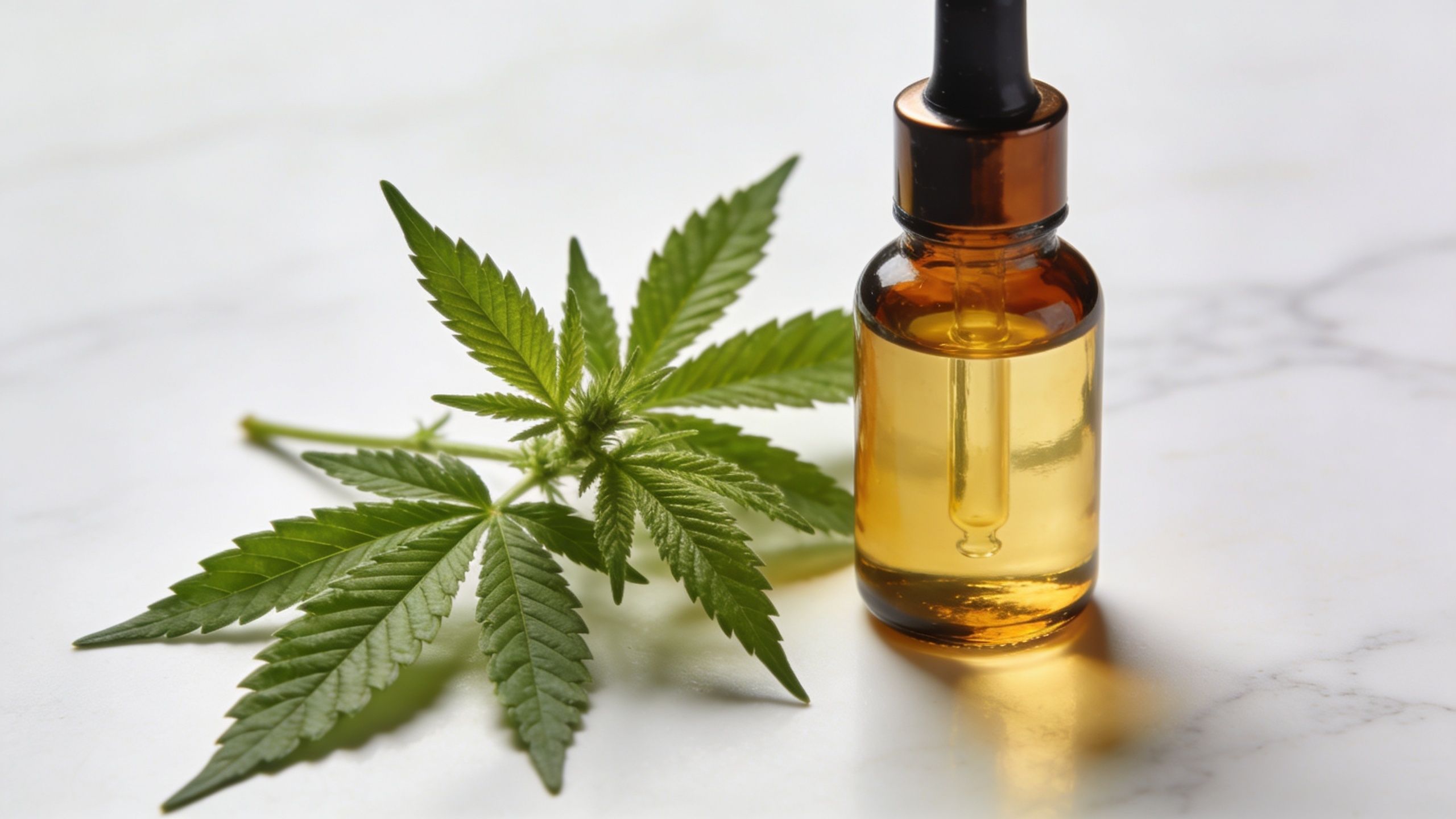
A CBD isolate topical contains cannabidiol without the wider mix of cannabinoids and aromatic compounds found in the plant. Think of it as a single instrument playing alone. That can be useful for people who want a simpler ingredient profile.
A broad-spectrum product usually includes CBD plus additional cannabinoids and plant compounds, but without meaningful THC. For some readers, this feels like a middle ground.
A full-spectrum topical keeps a broader range of naturally occurring compounds together. A simple way to understand the appeal is the orchestra analogy. One violin can play the melody. An orchestra can produce a richer effect because multiple instruments contribute. In cannabinoid language, that broader interaction is often described as the entourage effect.
Clinical takeaway: If two products list the same CBD amount but have different cannabinoid profiles, they may not feel the same in use.
Why the base formula matters
People often focus only on the milligrams on the front label. Skin doesn't. Skin “cares” about what carries the cannabinoids through the outer barrier.
According to formulation guidance on CBD topicals and transdermal delivery, formulation specifications critically determine efficacy. That source notes that optimal carriers like propylene glycol-water or essential oil enhancers can improve transdermal delivery, that hydrophilic transdermal gels achieved a median serum Cmax of 102.3 ng/mL, and that effective full-spectrum topical concentrations range from 100 to 3000 mg per container.
That sounds technical, but the practical message is simple. A well-built gel or oil can outperform a poorly built cream, even when the labels look similar.
Common product formats and how they differ
A quick comparison helps:
| Format | Typical feel | Best suited for |
|---|---|---|
| Oil | Slippery, massage-friendly | Local massage, dry areas, layered use |
| Cream | Lighter, cosmetic | Daily skin application, larger areas |
| Balm or salve | Thick, occlusive | Small target areas, elbows, knees, hands |
| Gel | Fast-drying, lighter residue | Joint-focused use, people who dislike greasy texture |
Carrier ingredients matter too. Shea butter, cocoa butter, jojoba, and similar ingredients affect spread, skin feel, and tolerance. Some products also include menthol, arnica, lidocaine, or MSM. Those additions can change the user experience a lot, which means not every benefit someone reports comes from CBD alone.
The Science of Topical Cannabinoid Absorption
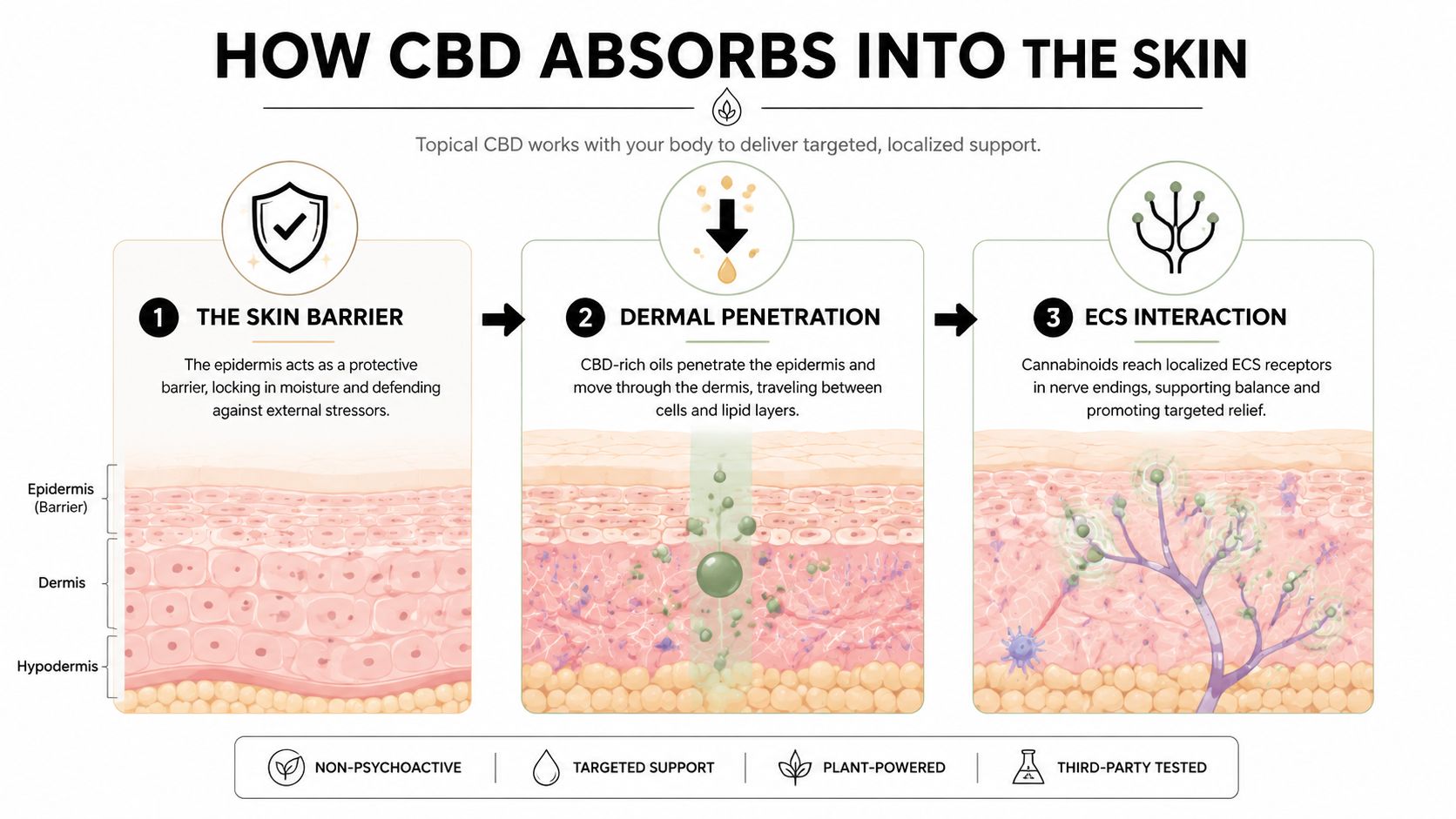
A patient with a sore knee may rub on a CBD oil and expect it to behave like a tincture, only faster. Skin does not work that way. It is built to limit entry, which means topical cannabinoids have to cross a barrier before they can affect nearby nerves, immune cells, or deeper tissues under the application site.
The local delivery model
The delivery method of a topical is significantly different from an oral product. When you swallow a tincture or capsule, the cannabinoids move through digestion, then the liver, then the bloodstream before reaching many tissues. A topical starts at the skin surface and is intended to act locally first, especially around the area where it is applied.
That local focus matters because the skin has its own endocannabinoid signaling machinery, including CB1 and CB2 receptors. Researchers reviewing cannabinoid delivery through the skin describe this as a plausible basis for effects on local pain signaling, inflammatory activity, itch, and skin homeostasis. For a patient deciding between a topical and a high-potency extract such as RSO or FECO, that difference is central. Topicals are usually chosen for site-specific support, while concentrated oral or mucosal extracts are used when a broader systemic effect is the goal.
Why formulation changes absorption
CBD and other cannabinoids are lipophilic. They dissolve more easily in oils and fats than in water. The outermost skin layer, the stratum corneum, is dense and highly selective, so absorption depends less on the label claim alone and more on how the product is built.
A simple way to frame it is this. The cannabinoid is the active ingredient, but the vehicle determines how far it can travel. Oils, gels, alcohols, phospholipids, and penetration enhancers can all change how readily cannabinoids pass through the outer barrier and into deeper layers. Two jars with the same amount of CBD can behave very differently on skin for that reason.
This is also where many readers mix up topical and transdermal use. A standard topical is generally designed to stay local. A transdermal formulation is engineered to push cannabinoids farther, with some reaching systemic circulation. That is one reason clinical comparison with RSO and FECO matters. Potency alone does not determine therapeutic use. Route and formulation shape the result.
Does topical use enter the bloodstream
Sometimes, yes, but that does not mean every CBD topical acts like an ingested cannabis product. Local exposure and systemic exposure exist on a spectrum. Product design, the condition of the skin, the size of the application area, and the presence of penetration enhancers all influence where the cannabinoids end up.
THC raises the same question, especially for people comparing topical preparations with stronger full-plant extracts. This explanation of whether THC can be absorbed through the skin gives useful context on why a skin-applied product usually behaves differently from swallowed or sublingual cannabis oils.
For practical use, three points keep expectations realistic:
- The skin barrier limits passive entry. Topicals do not automatically deliver large amounts of cannabinoids deep into the body.
- The formula affects the outcome. Gels, solvents, and enhancer systems can increase penetration.
- Therapeutic role depends on delivery route. A localized CBD topical and a concentrated extract like RSO or FECO may contain cannabinoids, but they are not interchangeable tools for serious symptoms.
Reported Therapeutic Uses and Supporting Evidence
People usually reach for cbd topical oil for one of two reasons. They want local symptom support, or they want to avoid systemic effects that may come with other delivery routes.
Pain and inflammatory discomfort
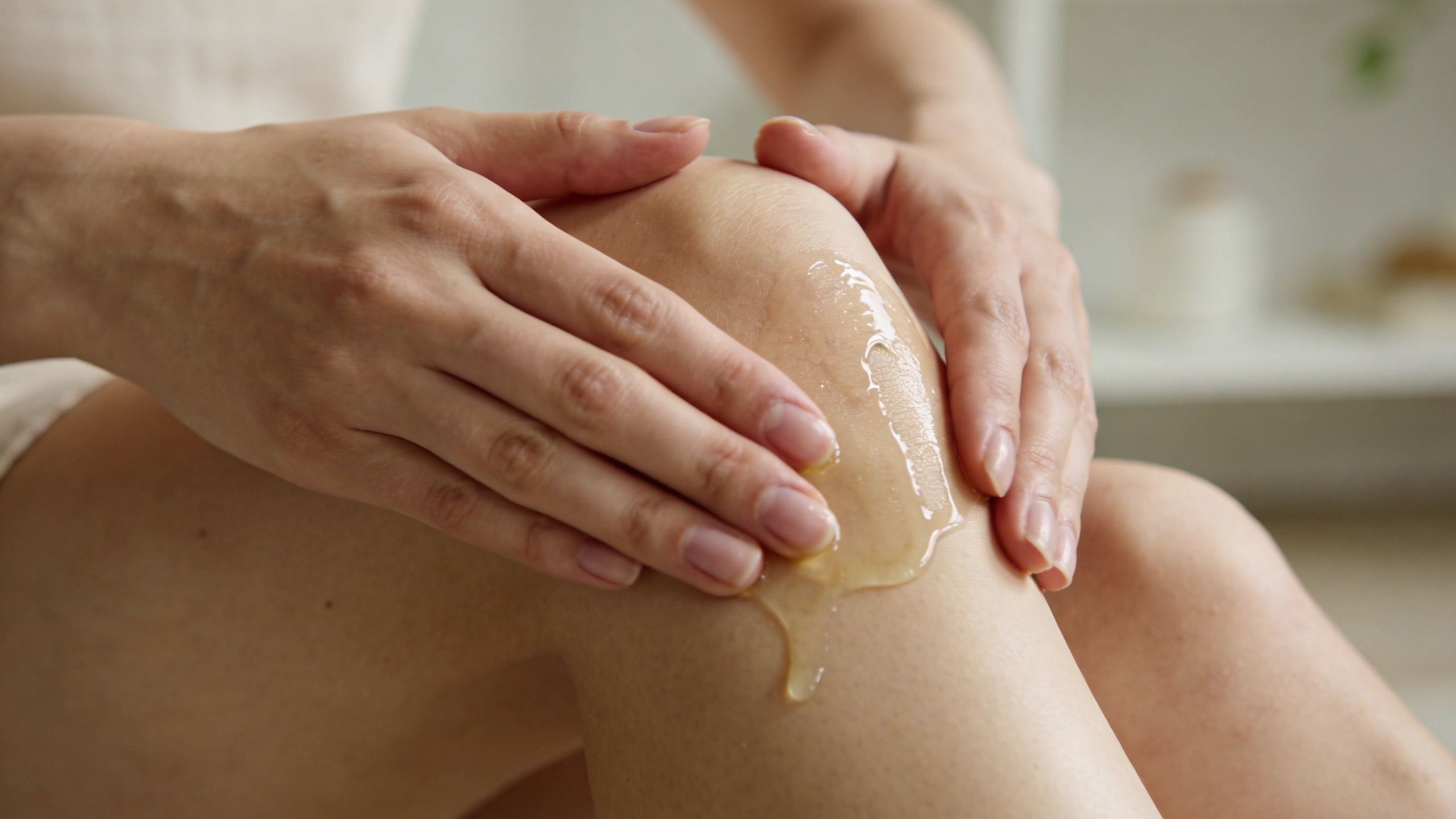
The most common reported use is targeted pain relief. That includes joints, muscle soreness, and localized inflammatory discomfort. The market data cited earlier reflects that pattern of use rather than proving a medical outcome, but it does show where patients are directing attention.
Mechanistically, this makes sense. A topical is placed where symptoms are concentrated, and cannabinoids may interact with local receptors involved in inflammatory signaling and sensory processing. Harvard Health, as summarized in the verified data provided for this article, notes moderate evidence for pain such as fibromyalgia while also cautioning that label accuracy can be inconsistent. That is an important balance. Some people report meaningful support, but the evidence base isn't strong enough to justify sweeping claims.
Skin-focused use
Another major category is dermatologic support. Patients often ask about eczema-prone skin, irritation, or a generally inflamed skin barrier. Preclinical work suggests anti-inflammatory and wound-healing properties, and the biology is plausible because the skin has its own active endocannabinoid signaling environment.
That said, skin conditions are heterogeneous. A dry, irritated patch is not the same as a fungal infection, allergic dermatitis, or a lesion that needs medical evaluation. A cannabinoid topical may be reasonable as an adjunctive discussion for some situations, but it shouldn't replace diagnosis.
Practical rule: If a skin problem is spreading, infected, bleeding, changing color, or not healing, a clinician should examine it before any self-directed cannabinoid plan.
Neuropathic and mixed discomfort states
Some readers are not dealing with “sore muscles.” They are dealing with burning, prickling, hypersensitive, or mixed pain patterns that can be harder to manage. In those cases, a topical may still have a role, especially when touch itself is tolerated and when the goal is local support rather than sedation.
Reported outcomes in this area are promising enough to justify interest, but they remain incomplete. Product heterogeneity also complicates interpretation. One topical may be a concentrated gel with penetration enhancers. Another may be a low-potency massage oil with pleasant fragrance and very little active cannabinoid delivery.
Later in the decision process, some patients compare standard CBD products with stronger full-extract preparations because of that gap in perceived effect.
A short overview can help visualize common expectations and limits:
| Use case | Why people try it | Evidence posture |
|---|---|---|
| Joint discomfort | Local application to a defined area | Reasonable interest, still evidence-limited |
| Post-exertion muscle soreness | Massage plus topical support | Common use, hard to separate from massage effect |
| Inflamed skin | Barrier support and calming effect | Biologically plausible, diagnosis still matters |
| Neuropathic discomfort | Targeted approach without oral dosing | Emerging interest, further research is needed |
A visual summary of patient-facing questions is helpful here:
Comparing CBD Topicals with RSO and FECO
Generic wellness articles often stop being useful at this point. They discuss CBD as if every cannabis topical belongs in the same category. It doesn't.
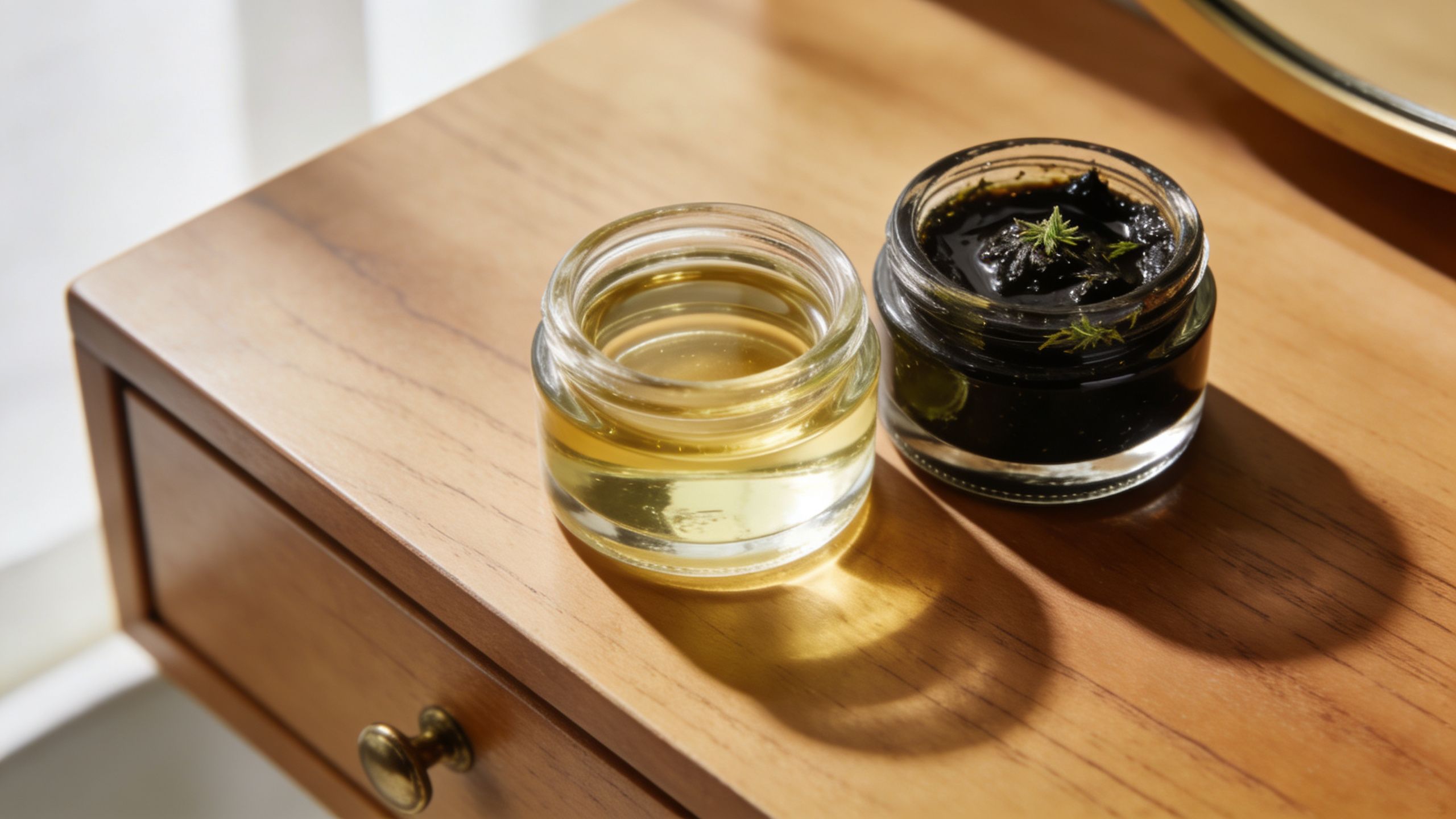
What makes them different
A standard CBD topical oil sold in the wellness market is usually hemp-derived and often formulated around CBD as the main active cannabinoid. Depending on the label, it may contain isolate, broad-spectrum extract, or a full-spectrum hemp profile.
RSO and FECO are different conversations. They are dense, whole-plant cannabis extracts, often discussed in relation to high-potency, full-spectrum use. Their cannabinoid profile is typically much broader and, in many cases, much richer in THC than everyday CBD topicals.
That matters because cannabinoid ratios change not just legal status and tolerance considerations, but also the kind of receptor activity a preparation may produce at the local tissue level.
The evidence gap matters
There is an important limitation here. A significant gap exists in direct comparative data between topical CBD oil and high-THC concentrates like RSO. While CBD is studied for surface-level inflammation, RSO's full-spectrum, high-THC profile and associated terpenes theoretically offer enhanced permeability and deeper penetration for chronic conditions, according to this summary of the comparison gap in general patient education.
That statement should be read carefully. “Theoretically” is doing a lot of work. It doesn't mean superior outcomes have been proven head-to-head. It means the cannabinoid profile and terpene content give a biologically plausible reason why some patients and clinicians-in-discussion treat these products as distinct options.
A side by side clinical view
| Feature | CBD topical oil | RSO or FECO used topically |
|---|---|---|
| Primary profile | Usually CBD-dominant | Full extract, often THC-rich |
| Typical positioning | Wellness and localized symptom support | Higher-potency integrative discussion |
| Texture and use | Usually ready-to-apply | Often thick and may require dilution or blending |
| Clinical question | Is local support enough | Is a broader, denser extract more appropriate |
One point deserves emphasis. “Stronger” does not always mean “better.” It may mean more active compounds, more complexity, more variables, and more reasons to proceed carefully.
For serious health concerns, the useful question isn't “Which product is most potent?” It is “Which formulation matches the tissue target, symptom pattern, and safety profile?”
For readers trying to understand these extracts in more depth, a grounded explanation of full extract cannabis oil and how it differs from simpler products can clarify the terminology.
When the distinction becomes clinically relevant
If the goal is occasional support for a sore wrist or post-workout muscle tightness, a standard CBD topical may be entirely reasonable. If the issue is persistent, severe, or part of a broader integrative cannabinoid plan, patients sometimes explore full-extract options because they want a denser cannabinoid and terpene profile.
That shift shouldn't be casual. It should be informed. It should also sit alongside conventional medical care, not in opposition to it.
Guidance for Safe Application and Product Selection
A common real-world problem looks like this. Someone buys a jar labeled “high strength CBD,” rubs a large amount onto a painful knee, feels very little, and assumes topical cannabinoids do not work. Often the problem is not the entire category. It is the match between formula, concentration, skin condition, and the goal of treatment.
For localized use, selection matters as much as the ingredient list. A topical is less like a pill and more like a delivery vehicle. The active compounds need a base that keeps them in contact with the skin long enough, in the right area, and without triggering irritation.
How to apply cbd topical oil
Start small and make the test meaningful. Apply a thin layer to one intact area of skin, then give it time before adding more or treating a larger region. This helps you separate two different questions. First, does your skin tolerate the formula? Second, does the product seem useful for that specific symptom?
As noted earlier, topical cannabinoid research suggests that formulation density and the carrier base affect how well cannabinoids reach superficial tissues. A dilute massage oil can feel pleasant but still deliver very little where you want it. A thicker balm or cream may perform better for a small joint or a defined sore area because it stays in place longer.
Use a simple routine:
- Patch test first. Try a small area before wider use.
- Choose one target area. A wrist, knee, shoulder, or localized skin patch is easier to judge than broad application.
- Track the response. Look for changes in pain quality, stiffness, tenderness, itch, or skin comfort.
- Adjust the amount slowly. If the formula is weak, using much more may only waste product or irritate the skin.
- Keep the skin intact. Do not apply to broken skin unless a clinician has advised it.
That last point matters. The skin is not a passive sheet. It is a barrier with selective openings, more like a brick wall than a sponge. Hair follicles, sweat glands, the oil content of the formula, and the condition of the skin all influence what gets through.
How to read a COA without getting lost
A Certificate of Analysis, or COA, is the product's lab identity card. It tells you whether the contents of the jar match the marketing.
Start with three checks.
Potency
The cannabinoid profile should make sense relative to the label. If a product is marketed as full-spectrum, the report should show more than token amounts of cannabinoids. For readers comparing standard CBD topicals with denser extracts such as RSO or FECO blends, this step becomes even more important. A product can borrow the language of whole-plant therapy while containing very little of the profile that would make that comparison meaningful.
Purity
Look for testing related to pesticides, residual solvents, heavy metals, and microbial contamination. This is especially relevant if the product will be used repeatedly, on sensitive skin, or near areas already irritated by friction, inflammation, or medical treatment.
Product identity
The batch or lot number on the COA should match the package in your hand. If it does not match, the report has limited value.
A polished label does not confirm quality. A current, batch-specific COA does.
Choosing the right formula for the use case
The right product depends on the job you need it to do.
If you want longer contact over a small joint, a balm or salve often works better than a thin oil. If the goal is massage over a larger muscle group, an oil may be easier to spread. If residue bothers you, a gel may fit better. If the skin barrier itself feels dry or stressed, a cream or lotion can make more sense because the base contributes comfort, not just cannabinoid delivery.
Here is a practical guide:
| What you need | Better fit |
|---|---|
| Fast-drying feel | Gel |
| Extended contact on a small area | Balm or salve |
| Massage-friendly texture | Oil |
| Daily skin comfort | Cream or lotion |
For a closer look at how base ingredients change texture, contact time, and day-to-day usability, see this guide to cannabis body lotion and topical cannabinoid bases.
One distinction is easy to miss. Higher cannabinoid concentration does not automatically mean better local results. In oral or high-potency full-extract products such as RSO and FECO, concentration may support a different therapeutic strategy altogether. With a topical, the question is narrower. Can this specific formula deliver enough active compound to the tissue you are trying to target, without creating a new skin problem?
When to stop and ask for help
Stop if the area becomes more red, itchy, swollen, warm, or uncomfortable after application. In many cases, the irritant is the formula itself, not CBD. Menthol, fragrance, essential oils, preservatives, and even some plant oils are common culprits.
Ask a licensed clinician before use if the product will be applied near active eczema, psoriasis flares, infected skin, radiation-treated areas, surgical sites, or skin already being treated with prescription drugs. Extra caution also makes sense when a topical is being added to a broader cannabinoid plan for cancer-related symptoms or another serious condition. At that point, product choice should reflect the whole clinical picture, not just the label on one jar.
Frequently Asked Questions About CBD Topicals
Can cbd topical oil cause a failed drug test
It depends on the product type and the test context. A topical made with CBD isolate is less likely to raise concern than a full-spectrum product that includes THC. Standard topical use is generally aimed at local action rather than systemic exposure, but formulation affects absorption. If drug testing has high stakes, choose products with clear lab documentation and discuss the risk with a qualified professional.
How long does cbd topical oil take to work
There isn't one universal timeline. Some people notice local skin feel or comfort changes fairly quickly, while others need repeated applications before deciding whether the product is useful. The site of application, the product base, and the symptom type all influence timing.
Are side effects common
Most concerns involve the skin rather than whole-body effects. People may react to fragrance, menthol, essential oils, preservatives, or the carrier base. That's why patch testing matters. If irritation appears, stop using it.
Can you use too much
You can overapply in the practical sense. The skin can only absorb so much from a given formula, and heavy use may waste product or irritate the area. More isn't automatically better. A concentrated, well-formulated topical often beats a large amount of a weak one.
Is oral CBD oil the same as cbd topical oil
No. An oral tincture is built for swallowing or sublingual use. A topical is built for skin delivery. The carrier oils and supporting ingredients are often different, and that changes performance.
Should someone with a serious illness use a standard CBD topical or a stronger extract
That decision depends on the clinical context, symptom target, tolerance, and overall treatment plan. Standard CBD topicals may be reasonable for mild, local issues. More complex cases sometimes lead patients to discuss full-extract preparations as an adjunctive approach. That conversation belongs with a licensed medical professional.
Conclusion and Final Considerations
The useful way to think about cbd topical oil is not as a trend product, but as a delivery system. What it contains, how it is built, and where it is applied determine whether it functions more like skincare, local comfort support, or part of a more advanced cannabinoid discussion.
Three points matter most. Formulation shapes absorption. Local receptor activity explains why topicals feel different from oral products. Third-party lab verification is essential. Those basics help patients and caregivers make better decisions and avoid weak, mislabeled, or poorly matched products.
When the conversation shifts from ordinary wellness use to stronger whole-plant extracts such as RSO or FECO, the questions become more clinical. Cannabinoid profile, potency, tissue target, and integration with conventional care all matter more.
This article is for educational purposes only. Individual results may vary. Further research is needed. Consult a licensed medical professional before starting any new regimen.
Families and patients who are sorting through cannabinoid options, especially questions about full-extract products, dosing strategy, or product verification, can find evidence-informed education at RickSimpsonOil.info. If your situation is complex, a confidential consultation can help you discuss safe sourcing, lab testing, and practical next steps in a structured way.